Understanding Drug Interactions: A Clinical Pharmacology Guide
Published: 2024-12-11T00:00:00.000Z
Drug interactions represent one of the most critical aspects of clinical pharmacology and patient safety. With polypharmacy becoming increasingly common, especially in elderly patients and those with multiple comorbidities, understanding drug interactions is essential for safe and effective prescribing. This comprehensive guide explores the mechanisms, clinical significance, and management strategies for drug interactions.
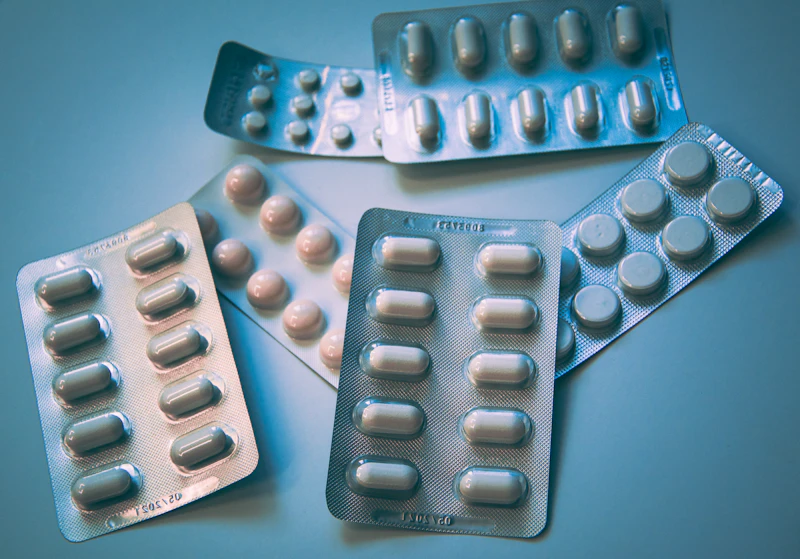
Classification of Drug Interactions
Pharmacokinetic Interactions
These interactions affect what the body does to the drug - absorption, distribution, metabolism, and excretion (ADME).
Absorption Interactions
- Chelation: Tetracyclines bind with calcium, iron, or magnesium
- pH changes: Antacids reduce absorption of ketoconazole and itraconazole
- Motility changes: Metoclopramide increases, while anticholinergics decrease absorption rates
Distribution Interactions
Protein binding displacement: NSAIDs can displace warfarin from plasma proteins, increasing free warfarin concentration and bleeding risk. Learn more about pharmacokinetics at NCBI Pharmacokinetics.
Metabolism Interactions
The most clinically significant category involves cytochrome P450 enzymes:
CYP Enzyme Inducers (increase drug metabolism):
- Rifampicin - potent inducer affecting many drugs
- Carbamazepine, phenytoin, phenobarbital
- St. John's Wort (herbal supplement)
- Chronic alcohol use
CYP Enzyme Inhibitors (decrease drug metabolism):
- Azole antifungals (ketoconazole, fluconazole)
- Macrolides (erythromycin, clarithromycin)
- Protease inhibitors
- Grapefruit juice (CYP3A4 inhibitor)
Excretion Interactions
- Probenecid reduces renal excretion of penicillins and methotrexate
- NSAIDs reduce lithium excretion, increasing toxicity risk
- Diuretics affect electrolyte balance and drug excretion
Pharmacodynamic Interactions
These affect what the drug does to the body - the physiological and biochemical effects.
Synergism
Combined effect greater than the sum of individual effects:
- Multiple antihypertensives (ACE inhibitor + diuretic)
- Sulfamethoxazole + trimethoprim (co-trimoxazole)
Antagonism
One drug opposes the effect of another:
- Beta-blockers antagonize beta-agonists in asthma
- NSAIDs reduce antihypertensive efficacy
- Vitamin K antagonizes warfarin
Additive Effects
Simple summation of effects:
- Multiple CNS depressants (benzodiazepines + alcohol)
- Multiple anticholinergics causing severe dry mouth, urinary retention
Clinically Important Drug Interactions
Warfarin Interactions
Warfarin has a narrow therapeutic index, making interactions particularly dangerous:
Enhanced anticoagulation (increased bleeding risk):
- NSAIDs (displacement + antiplatelet effect)
- Antibiotics (especially metronidazole, co-trimoxazole)
- Azole antifungals
- Amiodarone
Reduced anticoagulation (thrombosis risk):
- Rifampicin (enzyme induction)
- Carbamazepine
- Vitamin K-rich foods
Management: Monitor INR closely when starting or stopping any medication. For clinical guidelines, visit AMBOSS Anticoagulation.
Digoxin Interactions
Narrow therapeutic window requires vigilance:
- Diuretics: Hypokalemia increases digoxin toxicity
- Calcium: IV calcium can precipitate arrhythmias
- Quinidine, amiodarone: Reduce digoxin clearance
- Management: Monitor digoxin levels, potassium, and ECG

Antiepileptic Drug Interactions
Multiple interactions due to enzyme induction and complex pharmacokinetics:
- Oral contraceptives: Reduced efficacy with enzyme-inducing AEDs
- Warfarin: Altered anticoagulation
- Other AEDs: Complex bidirectional interactions
- Management: Use higher-dose contraceptives or alternative methods
Statins and CYP3A4 Inhibitors
Risk of rhabdomyolysis:
- Simvastatin + clarithromycin, itraconazole
- Management: Avoid combination or use alternative statin (pravastatin, rosuvastatin)
Prevention and Management Strategies
1. Comprehensive Drug History
- Include prescription, over-the-counter, and herbal medications
- Ask about recent antibiotic courses
- Document supplements and vitamins
2. Use Electronic Tools
- Electronic prescribing systems with interaction checkers
- Mobile apps for quick reference
- Online databases (Micromedex, Lexicomp)
3. Monitor Closely
- When starting new medications
- Therapeutic drug monitoring for narrow therapeutic index drugs
- Regular review of medication lists
4. Patient Education
- Inform patients about interaction signs and symptoms
- Advise on timing of medication administration
- Encourage reporting of all medications to healthcare providers
For more on safe prescribing practices, see our Clinical Guide.
High-Risk Populations
- Elderly: Polypharmacy, reduced renal/hepatic function
- Renal impairment: Altered drug clearance
- Hepatic impairment: Reduced drug metabolism
- Pregnant women: Altered pharmacokinetics and fetal risk
External Resources
Conclusion
Understanding drug interactions is fundamental to safe prescribing and optimal patient outcomes. Stay updated with current evidence, use available tools, and maintain clinical vigilance. Practice with our MCQ section and explore more pharmacology topics on our blog.
Comments
Post a Comment