
Essential Anatomy Mnemonics for Medical Students

Essential Anatomy Mnemonics for Medical Students

Essential Anatomy Mnemonics for Medical Students

Published: 2024-12-13T00:00:00.000Z

Anatomy is one of the most challenging subjects in medical school, with thousands of structures, relationships, and pathways to memorize. In this comprehensive guide, we'll share the most effective mnemonics that have helped countless medical students ace their anatomy exams and build a solid foundation for clinical practice.
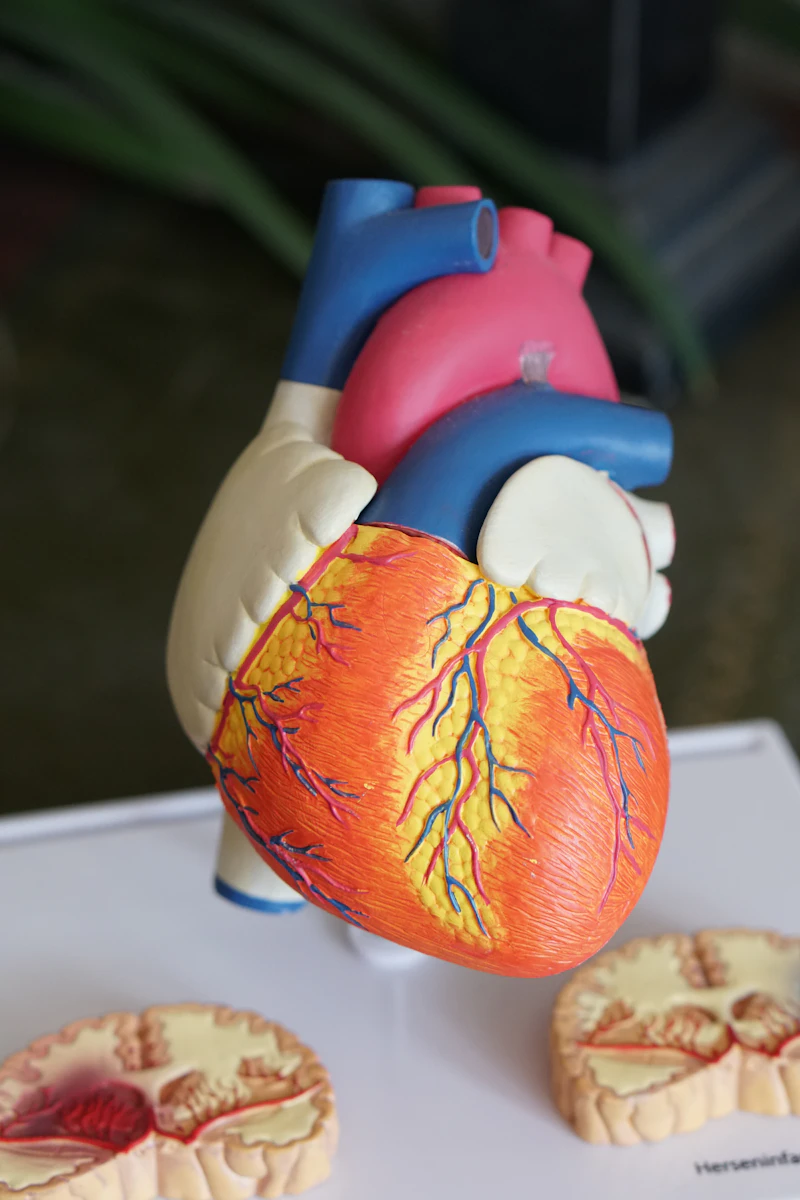
Anatomical skeleton model

Cranial Nerves

Order of Cranial Nerves

"Oh Oh Oh To Touch And Feel Very Good Velvet AH!"

  • Olfactory (I)
  • Optic (II)
  • Oculomotor (III)
  • Trochlear (IV)
  • Trigeminal (V)
  • Abducens (VI)
  • Facial (VII)
  • Vestibulocochlear (VIII)
  • Glossopharyngeal (IX)
  • Vagus (X)
  • Accessory (XI)
  • Hypoglossal (XII)

Sensory vs Motor

"Some Say Marry Money But My Brother Says Big Brains Matter Most"

S = Sensory, M = Motor, B = Both. Learn more about neuroanatomy at Khan Academy.

Carpal Bones

"Some Lovers Try Positions That They Can't Handle"

This mnemonic helps remember the carpal bones from lateral to medial, proximal row first:

  • Scaphoid
  • Lunate
  • Triquetrum
  • Pisiform
  • Trapezium
  • Trapezoid
  • Capitate
  • Hamate
Hand bones anatomy

Branches of the Brachial Plexus

"Randy Travis Drinks Cold Beer" (for the five major divisions)

  • Roots
  • Trunks
  • Divisions
  • Cords
  • Branches

"My Aunt Raped My Uncle" (for terminal branches)

  • Musculocutaneous
  • Axillary
  • Radial
  • Median
  • Ulnar

Rotator Cuff Muscles

"SITS"

  • Supraspinatus
  • Infraspinatus
  • Teres minor
  • Subscapularis

These muscles stabilize the shoulder joint and are commonly injured in sports. For clinical correlations, see our Clinical Examination Guide.

Femoral Triangle Contents

"NAVEL" (from lateral to medial)

  • Nerve (femoral)
  • Artery (femoral)
  • Vein (femoral)
  • Empty space
  • Lymphatics

Branches of External Carotid Artery

"Some Anatomists Like Freaking Out Poor Medical Students"

  • Superior thyroid
  • Ascending pharyngeal
  • Lingual
  • Facial
  • Occipital
  • Posterior auricular
  • Maxillary
  • Superficial temporal
Medical anatomy textbook

Erector Spinae Muscles

"I Love Spine" (from lateral to medial)

  • Iliocostalis
  • Longissimus
  • Spinalis

Study Tips for Using Mnemonics

  • Create your own: Personal mnemonics are often more memorable
  • Visual associations: Link mnemonics with diagrams and images
  • Repetition: Use mnemonics repeatedly until they become automatic
  • Clinical correlation: Connect anatomy to clinical scenarios
  • Active recall: Test yourself regularly without looking at notes

For more study strategies, check our Effective Study Techniques.

External Resources

Conclusion

Mastering anatomy requires consistent effort, but these mnemonics can significantly reduce your study time and improve retention. Practice drawing structures, use clinical cases, and regularly test yourself. Visit our Question Bank to test your anatomy knowledge and MCQ section for practice questions.

Comments

Popular posts from this blog

Pathology Overview: Key Concepts in Systemic Pathology

Pathology Overview: Key Concepts in Systemic Pathology Pathology Overview: Key Concepts in Systemic Pathology Published: 2025-12-25T00:00:00.000Z Pathology is the bridge between basic science and clinical decision-making. Understanding the mechanisms of injury, inflammation, repair and neoplasia allows clinicians to interpret laboratory and histology results, generate appropriate differential diagnoses, and guide management. This overview focuses on high‑yield concepts and practical study strategies for students and early clinicians. Essential mechanisms Begin with the cellular response to injury. Reversible injury causes cell swelling and loss of function; irreversible injury leads to necrosis or apoptosis. The inflammatory response—innate and adaptive—determines tissue outcomes: resolution, chronic inflammation, or fibrosis. Learn the cardinal signs and cellular players for both acute and chronic inflammation. Repair, healing and clinical ...

Microbiology Essentials: Infection Control and Common Pathogens

Microbiology Essentials: Infection Control and Common Pathogens Microbiology Essentials: Infection Control and Common Pathogens Published: 2025-12-25T00:00:00.000Z Healthcare-associated infections remain a leading cause of preventable harm. Prevention combines basic microbiology principles with consistent infection prevention measures and stewardship of antimicrobial use. This practical guide outlines what clinicians must prioritise at the bedside and points to authoritative references for policy and further reading. Standard precautions everyone must apply Start with hand hygiene, correct glove use, respiratory hygiene, and safe sharps handling. These steps reduce transmission risk across a wide range of pathogens. Refer to national guidance for protocols: CDC Infection Control and the WHO infection prevention programme provide up-to-date recommendations. When to add transmission-based precautions Contact precautions: For organisms lik...

Surgery Essentials: Mastering Preoperative Assessment and Care

Surgery Essentials: Mastering Preoperative Assessment and Care Surgery Essentials: Mastering Preoperative Assessment and Care Published: 2024-12-25T00:00:00.000Z Preoperative care is the foundation of successful surgical outcomes. A thorough preoperative assessment identifies potential risks, optimizes patient condition, and ensures informed consent. This comprehensive guide covers essential principles every medical student and junior doctor must master for safe perioperative care and excellent clinical practice. The Preoperative Assessment Framework 1. Comprehensive History Taking Current Condition: Understand the indication for surgery, symptom duration, severity, and impact on daily activities. Document any emergency red flags that might affect timing or approach. Past Medical History: Screen for conditions that increase surgical risk: Cardiovascular disease (MI, heart failure, arrhythmias) Respiratory disease (COPD, asthma, OSA) ...